
Arc Flash Study
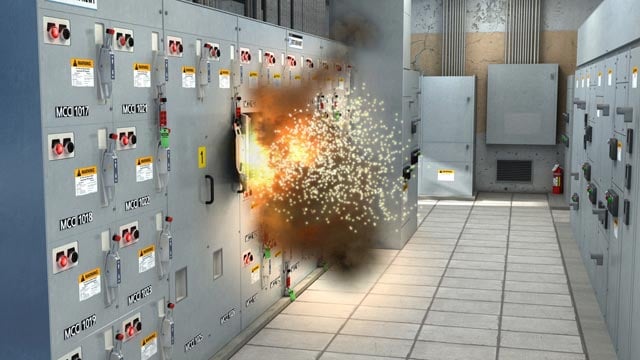
An arc flash study is required to enhance worker safety by identifying, quantifying, and mitigating the risks of severe electrical explosions. By performing this analysis, facilities can determine the key metrics such as incident energy available at specific electrical equipment locations at specific working distances, calculate arc flash boundaries, and the specification of appropriate Personal Protective Equipment (PPE) for workers. This proactive approach ensures that, in the event of an accident, employees are protected against severe / fatal burns, blast waves, and molten metal, while also minimizing catastrophic equipment damage and unplanned downtime.
Furthermore, an arc flash study is essential to ensure compliance with mandatory safety standards and regulations set by the Occupational Safety and Health Administration (OSHA) and the National Fire Protection Association (NFPA 70E). NFPA 70E requires employers to conduct risk assessments for electrical systems operating at 50 volts or more, which includes labeling equipment with hazard information. Beyond regulatory compliance, conducting this study helps companies avoid legal liabilities and insurance penalties, as it demonstrates that reasonable, industry-standard steps were taken to prevent injuries and create a safe, well-documented, and efficient electrical system.
Why Is an Arc Flash Study Needed?
An arc flash study is a critical engineering analysis required to identify and mitigate the life-threatening risks associated with electrical explosions in a facility. These studies determine the incident energy—the amount of thermal energy released during a fault—to establish safe working boundaries and the specific level of personal protective equipment (PPE) required for workers. By accurately calculating these variables, employers can provide clear hazard labeling on equipment, ensuring that maintenance personnel are fully aware of the potential risks before performing tasks on energized systems.
Beyond immediate personnel safety, these studies are essential for regulatory compliance and operational resilience. In the United States, OSHA mandates that employers provide a safe work environment, frequently citing the NFPA 70E standard which requires periodic arc flash risk assessments every five years or after major system changes. Professionally conducted studies also identify coordination gaps in protective devices, helping to prevent unnecessary downtime, reduce equipment damage, and satisfy insurance requirements that often necessitate updated safety documentation for coverage.
Overcurrent Settings
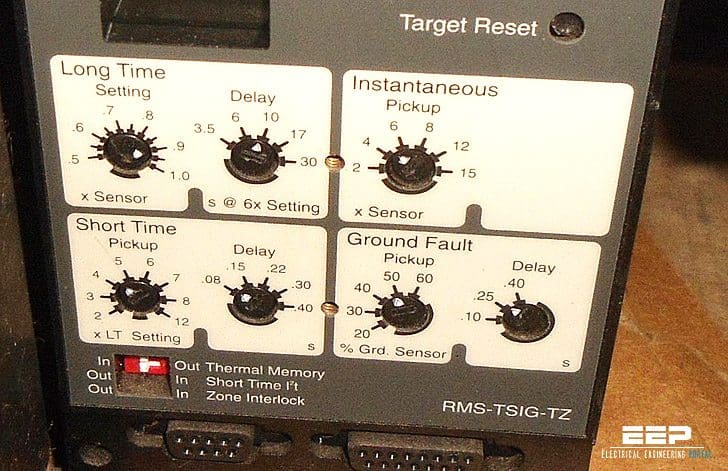
An arc flash study is a critical engineering analysis required to identify and mitigate the life-threatening risks associated with electrical explosions in a facility. These studies determine the incident energy—the amount of thermal energy released during a fault—to establish safe working boundaries and the specific level of personal protective equipment (PPE) required for workers. By accurately calculating these variables, employers can provide clear hazard labeling on equipment, ensuring that maintenance personnel are fully aware of the potential risks before performing tasks on energized systems.
Beyond immediate personnel safety, these studies are essential for regulatory compliance and operational resilience. In the United States, OSHA mandates that employers provide a safe work environment, frequently citing the NFPA 70E standard which requires periodic arc flash risk assessments every five years or after major system changes. Professionally conducted studies also identify coordination gaps in protective devices, helping to prevent unnecessary downtime, reduce equipment damage, and satisfy insurance requirements that often necessitate updated safety documentation for coverage.
When to Call us for a Coordination Study
Coordination studies are highly recommended and, in many jurisdictions, legally mandatory for any business utilizing a power distribution system. The primary purpose of these studies is to optimize system protection, ensuring that any electrical fault is isolated to the specific area of origin without triggering a facility-wide blackout. This "selective coordination" is critical for maintaining operational continuity and safeguarding personnel from catastrophic events like arc flashes. Organizations typically require professional studies during new installations, following major repairs or surges, and as part of periodic inspections to verify continued safety and efficiency.
Given the technical complexity of power distribution, it is essential to partner with licensed engineers who possess a deep understanding of arc flash and coordination requirements. Even a minor miscalculation can lead to fatal injuries if workers are inadvertently exposed to hazardous energy paths. Pioneer Power Group provides comprehensive, nationwide expertise in these critical studies, ensuring your facility remains fully compliant with OSHA, NFPA 70E, IEEE, and NEC standards. By leveraging their specialized knowledge, commercial outlets can secure their infrastructure and proactively mitigate risks associated with electrical system failures.
Would you like to schedule a consultation to determine which specific compliance studies are currently required for your facility?
Contact Us


Reach out to discuss your electrical system needs or request a detailed short circuit study.